More Demos
 Docs
 Support




Introduction:
Ghana’s research and innovation ecosystem stands as a cornerstone for economic growth, job creation, and improved quality of life. However, the full potential of this ecosystem remains untapped without the robust adoption of standards and certification practices. In a pivotal move, Heritors Labs Limited, in collaboration with the Ghana Standards Authority (GSA), Food and Drugs Authority (FDA), and the Council for Scientific and Industrial Research (CSIR), orchestrated a one-day workshop on the 26th of July, 2023 to address the imperative need for standardisation, certification, and conformity assessment in the development of products and services.
Opening the Dialogue:
The workshop brought together state actors and private entities to discuss strategies for mainstreaming standards and certifications within the research and innovation sector. Professor Marian Quain, deputy director-general of the CSIR, emphasised the critical role of adherence to standards in ensuring quality and public acceptance of research products and services.
Industry Perspectives:
Mr. Derrydean Dadzie, CEO of Heritors Labs Limited, highlighted that adherence to standards enhances the competitiveness of Ghanaian products on the global stage, positioning the country as a hub for innovation. The workshop aimed to create symbiotic relationships among various stakeholders, fostering quality, safety, and interoperability in the research and innovation ecosystem.
Government’s Vision and Collaboration:
Professor Alex Dodoo, director-general of the Ghana Standards Authority, acknowledged the existing relationship between state certification bodies and researchers. He stressed the importance of collaboration between academia, researchers, innovators, and industry to achieve wealth creation and socio-economic development in Ghana.
Paradigm Assessment and Charter Presentation:
Professor Marian Asantewaah Nkansah of KNUST presented the outcomes of a baseline study, revealing challenges such as bureaucracy, cost, and limited access to information hindering certification practices. The proposed charter aims to provide a framework for developing and implementing a robust system for ensuring quality and conformity in research and innovation activities.
The draft charter outlines objectives, including developing a comprehensive standardisation framework, establishing a transparent certification and conformity assessment process, and promoting the use of standards in Ghana’s research and innovation ecosystem.
Panel Session and Roundtable Discussion:
A panel session featured representatives from state standards and certification bodies, industry associations, and research institutions. The interactive group discussion focused on practical measures to promote effective collaborations for innovation advancement in Ghana.
Closing Remarks and Future Outlook:
Mr. Nasiru Salifu from the Ministry of Environment, Science, Technology, and Innovation emphasised the importance of linking research to standardisation from the outset. The workshop’s outcomes align with the RISA Fund’s focus on bringing innovation and research together for national development.
Conclusion:
The workshop underscored the vital role of standards and certifications in advancing research and innovation in Ghana. By fostering collaboration and adherence to quality benchmarks, the country can strengthen its global competitiveness and contribute significantly to the growth of the research and innovation ecosystem.
Post a comment
Related Posts
September 10, 2024
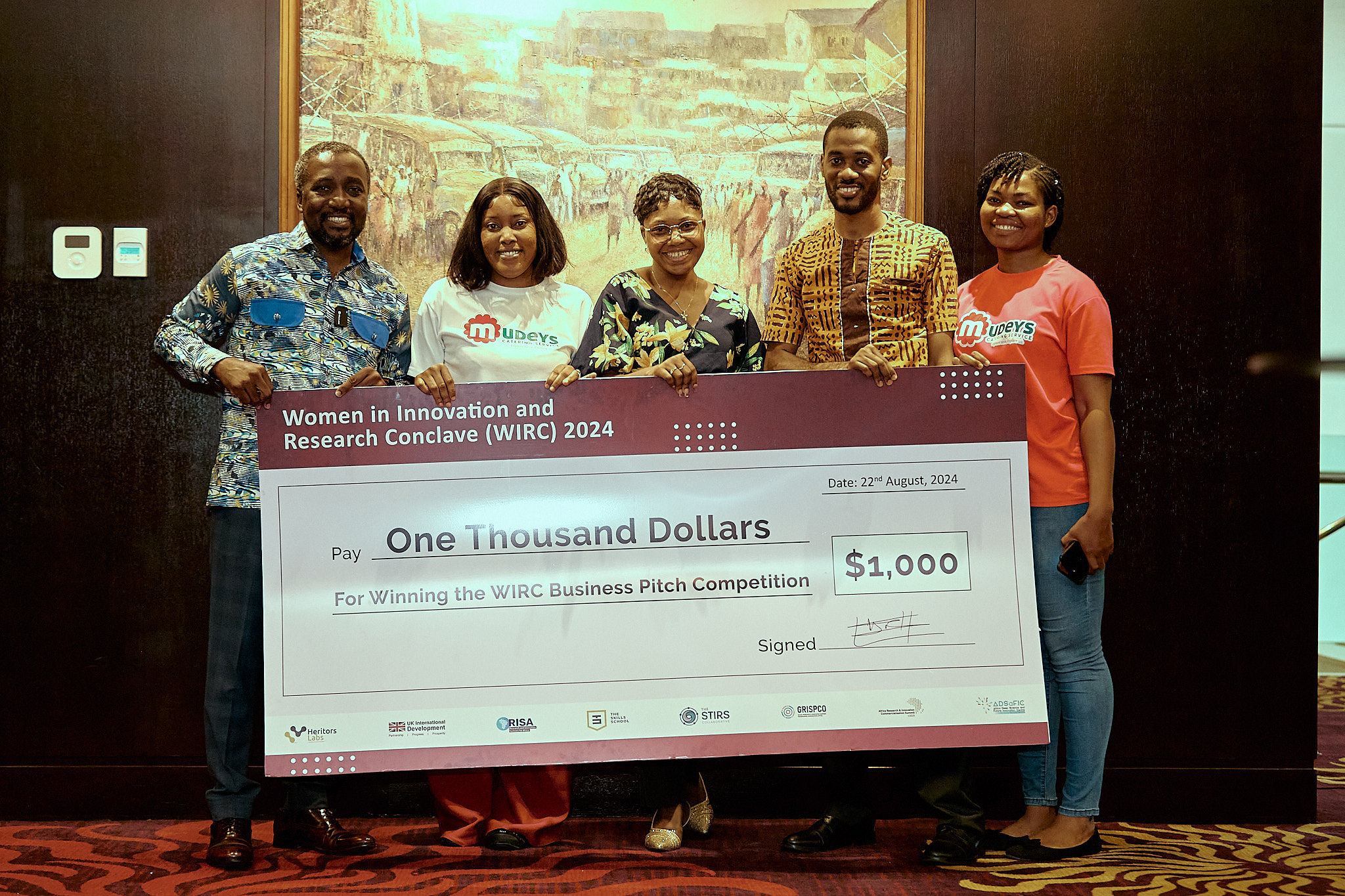
Budding startups: Heritors Labs supported by RISA Fund Awards, Mudeys US$1,000 grant in the maiden WIRC Business Pitch Contest
Food processing and catering firm Mudeys Catering Services has secured a grant of U$1,000 from…

September 10, 2024
Heritors Labs in partnership with RISA Fund host WIRC Policy Dialogue Series to empower women in innovation and research
Heritors Labs Limited, a web 3.0 company and research and Innovation commercialisation hub, has organised…
August 7, 2024
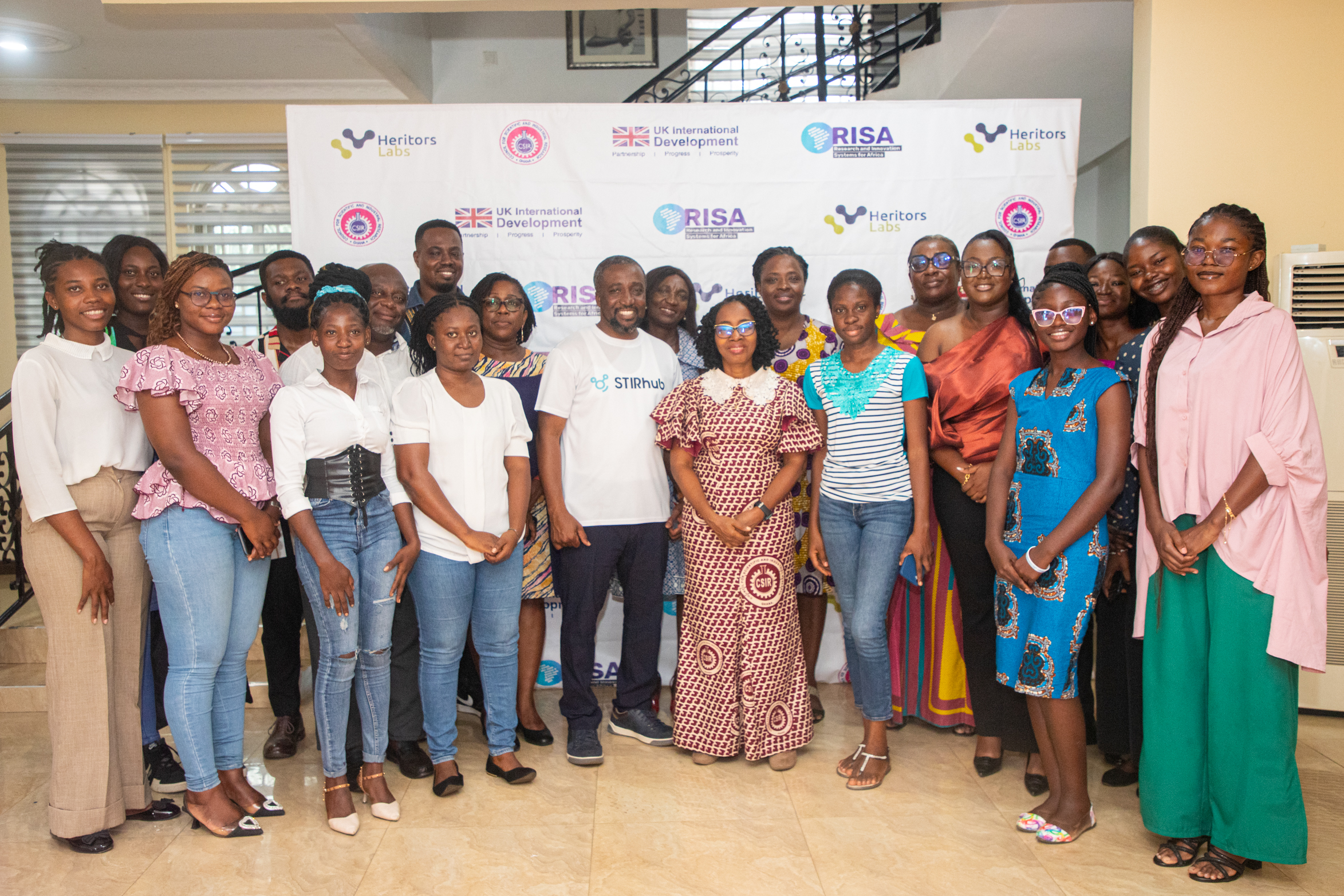
Heritors Labs, supported by The Risa Fund and in partnership with CSIR, launches the Women In Innovation & Research Conclave (WIRC) Mentorship Programme to empower young African women in science and innovation.
Under the theme, NURTURING SKILLS TO PIONEER NEW MARKETS WITH MENTORSHIP, Heritors Labs Limited, a…

July 24, 2024
MESTI and Heritors Labs hold stakeholder engagement on the operationalisation of the National Research Fund.
Heritors Labs Limited, a web 3.0 company, convened a strategic stakeholders meeting at the Ministry…